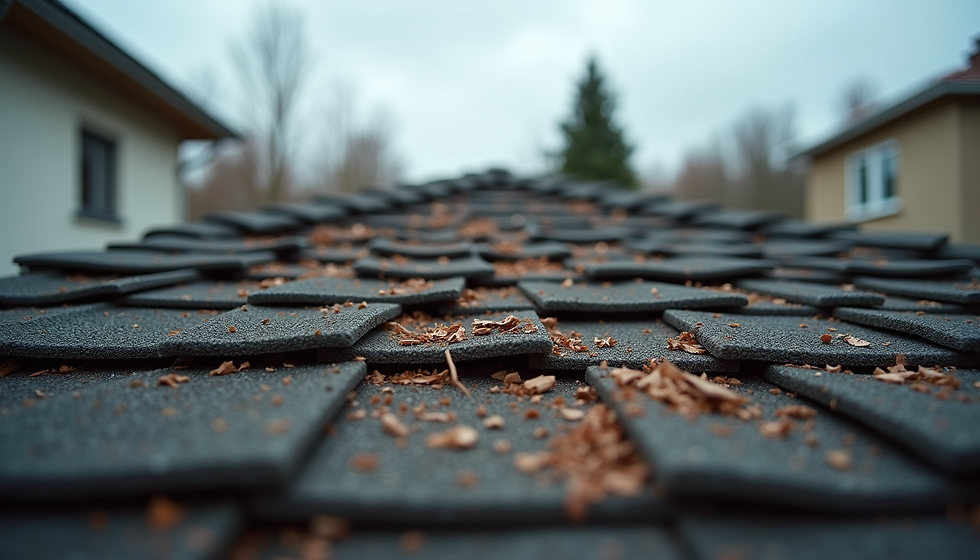
Transforming Roof Inspections: The Benefits of No-Touch Drone Assessments in Michigan

Roof replacement inspections are critical for homeowners in Michigan, especially given the state's varied weather conditions that can cause significant wear and damage. Traditional roof inspections often involve physical climbing, which can be risky, time-consuming, and sometimes inaccurate. No-touch drone assessments are changing the way roof inspections are conducted, offering a safer, faster, and more precise alternative. This post explores how drone technology is transforming roof inspections in Michigan, highlighting its benefits, real-world examples, cost savings, environmental impact, and ability to access hard-to-reach areas.

How No-Touch Drone Assessments Improve Safety
One of the biggest challenges in roof inspections is the risk to human inspectors. Climbing ladders and walking on steep or damaged roofs can lead to falls and injuries. Michigan’s weather, including icy winters and wet conditions, increases these risks.
Drones eliminate the need for inspectors to physically access the roof. They fly over the property and capture high-resolution images and videos from multiple angles. This remote approach keeps inspectors on the ground, reducing accidents and liability concerns.
For example, a Michigan roofing company reported zero injuries after switching to drone inspections for all their roof assessments over the past two years. This shift not only protected their workers but also reassured homeowners about the safety of the inspection process.
Efficiency Gains with Drone Technology
Traditional roof inspections can take hours, especially for large or complex roofs. Inspectors must set up ladders, climb carefully, and document damage manually. Weather delays can further extend timelines.
Drones complete inspections much faster. A drone can scan an entire roof in 15 to 30 minutes, capturing detailed images that inspectors review later. This speed allows roofing companies to serve more clients and homeowners to get quicker estimates for repairs or replacements.
In Michigan, where spring and fall storms often cause sudden roof damage, quick inspections are crucial. One local insurer noted that drone assessments reduced their claim processing time and improved scope of damage acceptance by 40%, helping homeowners receive repairs faster.
Accuracy and Detail in Roof Inspections
Drones equipped with high-resolution cameras and thermal imaging provide detailed data that surpasses what the human eye can see from the ground or even on the roof. They can detect subtle issues like missing shingles, water damage, and heat loss areas that might otherwise be missed.
This accuracy helps homeowners make informed decisions about roof replacement or repairs. It also reduces the chances of unnecessary work or missed damage, saving money and preventing future problems.
A Michigan roofing contractor shared a case where drone imagery revealed hidden water damage under shingles, which was not visible during a traditional inspection. Early detection allowed the homeowner to address the issue before it worsened, avoiding costly repairs later.

Real-World Examples of Successful Drone Inspections
Several Michigan roofing companies and insurance firms have adopted drone technology with positive results:
Mr. Roof of Michigan uses drones to inspect roofs after severe weather events. Their drone reports include detailed photos and 3D models, helping homeowners understand the extent of damage.
Great Lakes Insurance employs drones to speed up claim assessments. Their data shows a 30% reduction in inspection costs and faster claim resolutions.
Homeowner testimonials highlight how drone inspections provided peace of mind and clear evidence for insurance claims, reducing disputes and delays.
These examples demonstrate how drones are becoming a trusted tool in Michigan’s roofing industry.
Cost Savings for Homeowners
While drone inspections may seem like a high-tech option, they often reduce overall costs for homeowners. Here’s how:
Reduced repair and replacement costs: Drone inspections generally incur lower expenses compared to traditional methods, as they demand less labor and time.
Early problem detection: Identifying damage early prevents expensive repairs or full roof replacements.
Faster insurance claims: Quick, accurate inspections speed up claim approvals, reducing out-of-pocket expenses.
Avoiding unnecessary work: Detailed drone reports help contractors provide precise estimates, avoiding overcharging or unnecessary repairs.
For example, a Michigan homeowner saved over $2,000 by using a drone inspection that detected minor damage early, allowing for targeted repairs instead of a full roof replacement.
Environmental Impact of Using Drones
Drones offer an environmentally friendly alternative to traditional roof inspections. They reduce the need for trucks and heavy equipment on-site, lowering fuel consumption and emissions. Because drones complete inspections quickly, they minimize disruption to the property and surrounding environment.
Additionally, drones help identify energy inefficiencies in roofs, such as heat loss, enabling homeowners to improve insulation and reduce energy bills. This contributes to lower carbon footprints and supports Michigan’s broader environmental goals.
Accessing Hard-to-Reach Areas with Ease
Some roofs have complex designs, steep pitches, or are surrounded by trees and other obstacles that make physical inspections difficult or impossible. Drones can easily navigate these challenges, capturing images from angles that humans cannot safely reach.
In Michigan, where older homes often have intricate rooflines and chimneys, drones provide a clear advantage. They can inspect gutters, vents, and other critical areas without disturbing the structure or risking damage.

What Homeowners Should Expect from a Drone Roof Inspection
When scheduling a drone roof inspection, homeowners can expect:
A quick appointment with minimal disruption
Detailed photographic and video reports
Identification of damage, wear, and potential problem areas
Recommendations for repairs or replacement based on data
Support for insurance claims with clear evidence
Choosing a certified drone operator ensures compliance with FAA regulations and data privacy standards.